


What is digital marketing?
Digital marketing is a way for businesses and brands to connect with potential customers through online channels. Channels may include websites, organic social media, paid social, search engine marketing, search engine optimization (SEO), email marketing, digital advertising, and more.
Why is digital marketing important?
Digital marketing helps build brand awareness and drive product sales with new or existing audiences. An important aspect of digital marketing is how marketers can focus their efforts to reach specific audiences, compared to traditional marketing, which reaches wider audiences.
Digital marketing can be accessible for brands and businesses, with any marketing budget or team size.
How does digital marketing work?
Businesses can take the time to build out a long-term digital strategy or get started immediately, by setting up a digital marketing campaign. Either approach allows for tailoring messaging to audiences, testing different creative assets, and optimizing content based on the results of digital marketing efforts. The ability to customize and adapt digital marketing can benefit businesses in any industry.
Types of digital marketing
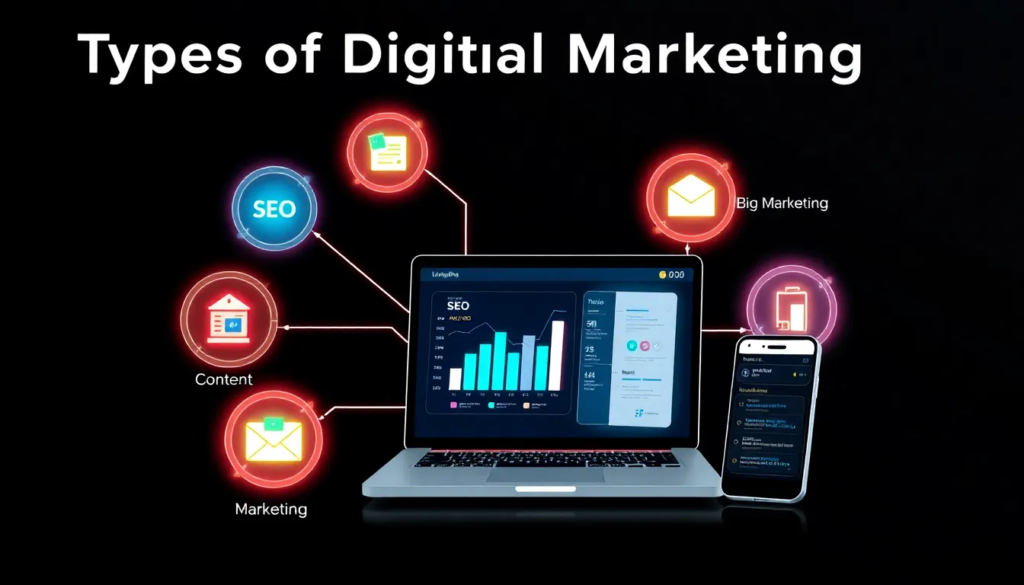
There are various types of digital marketing, including, but not limited to: video marketing, display advertising, email marketing, and social media. These types of digital marketing can be a part of an overall digital strategy, or can be used individually based on the needs of a business.
Video marketing
Video marketing is a visual type of content that can help promote a product, brand, or service. Videos can be short-form promotional content for channels like social media, Sponsored Brands video ads, and display video ads, or long-form videos, such as webinars or educational videos on a website.
Audio marketing
Audio marketing features music, podcasts, and other audio content to help promote products, brands, and more. This type of marketing can help reach customers in relevant ways, based on their interests in music, podcasts, and more.
Interactive marketing
Interactive marketing is a two-way interaction for customers and brands. Brands can engage potential customers in interactive channels, including social media, infographics, email, social media, and livestreaming.
Display advertising
Display advertising features ads with copy, visual elements, and call-to-action messaging with a link to a landing-page destination. Display ads are cost-effective, flexible, and complementary to other channels. Two examples of Amazon Ads products with display ads include display ads and device ads.
Search engine marketing
Search engine marketing, also called paid search, helps surface brands and content in search engine results through a pay-per-click model, which is different from SEO.
Email marketing
Email marketing is a direct channel to reach potential and existing customers with written content. Email is a versatile channel that can highlight storytelling about a brand and support sales efforts, such as product launches and seasonal holiday moments.
Content marketing
Content marketing focuses on the art of storytelling to engage customers across channels. This can come in the form of written copy, videos, or social media posts.
Pay-per-click advertising
Pay-per-click (PPC) ads have a cost associated with each click. This model, which includes Sponsored Products, is used across search engines.
Programmatic advertising
Programmatic advertising uses advertising technology to buy and sell digital ads through automated and effective processes. This type of advertising uses advertiser-defined parameters to buy digital ad inventory across the web, mobile, apps, social media, and more channels.
Brand marketing
Brand marketing showcases the brand as a whole and is key in building relationships with customers, which helps add to the brand’s value over time.
Inbound marketing
Inbound marketing creates useful content and messaging that directly addresses the needs of customers, which can help drive new business and create relationships.
Native advertising
Native advertising features ads that align with the user experience and design of the channel or website. These ads look similar to other content featured on the pages.
Advantages and disadvantages of digital marketing
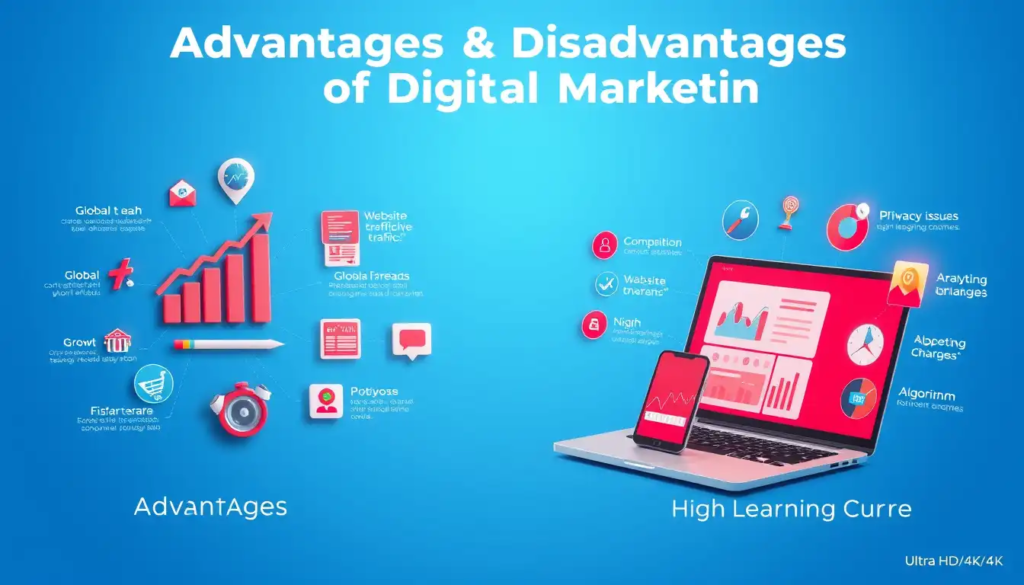
A few of the advantages of digital marketing include:
- An ability to reach specific audiences
- A cost-effective solution with any budget
- Capabilities to measure results and adjust digital marketing based on the results
A few disadvantages of digital marketing include:
- A reliance on technology
- An always-evolving industry
- A competitive landscape
How to create a digital marketing strategy
To create an effective digital marketing strategy, it’s essential to understand the needs of customers, what content is helpful for them, and which channels they prefer. The following steps can help you build customer personas, establish goals, and identify any gaps in a digital marketing strategy.
1. Analyze current marketing strategy and conduct industry research
First, determine how an existing digital marketing strategy is resonating with customers and identify any industry-specific marketing trends. This can find any marketing gaps and what customers may be experiencing. If a brand doesn’t have a digital marketing strategy, it’s never too late to create one.
2. Build customer personas to align with your products and brand
Personas keep the customer at the center of any strategy, which can help keep a brand focused. To create a buyer persona, consider: Who is the customer? What are key characteristics of the customers? Do they live in a specific region? What drives their buying decisions? It’s important to give them a name and an image, so that each person in the company knows their customer.
When building personas, start with a primary customer persona, who represents the main audience. Then, there’s the option to create one or two additional personas, which can focus on emerging audiences for the business. For larger businesses, there may be even more personas.
3. Establish digital marketing goals and objectives
Businesses should set long-term goals and identify how digital marketing can help support the goals. As an additional step, businesses should determine objectives, which are short-term goals that can be easily tracked, while working toward the long-term goals.
4. Choose channels and tactics
When selecting channels and tactics, a business should consider where their current customers are and where potential customers could be. It’s critical to meet customers where they are and to focus any resources on those channels.
5. Identify gaps in marketing assets and creative
Digital marketing requires different types of assets including images, written content, and videos. Businesses need to understand what existing marketing assets they have and what they’ll need to help promote their products and brand.
6. Create content and channel execution
After determining channels and any content gaps, it’s time to create content. This part can take time, so consider ways to use content across multiple channels, and customize it to different audiences and formats. Once the content is created, it’ll be ready to be shared with customers on relevant channels.
7. Track metrics and continue to optimize content
The final part of a digital marketing strategy is to test and track the KPIs and metrics of any content and channel performance. This will help brands and businesses determine how impactful their digital marketing strategy is and how they need to adjust it moving forward.